


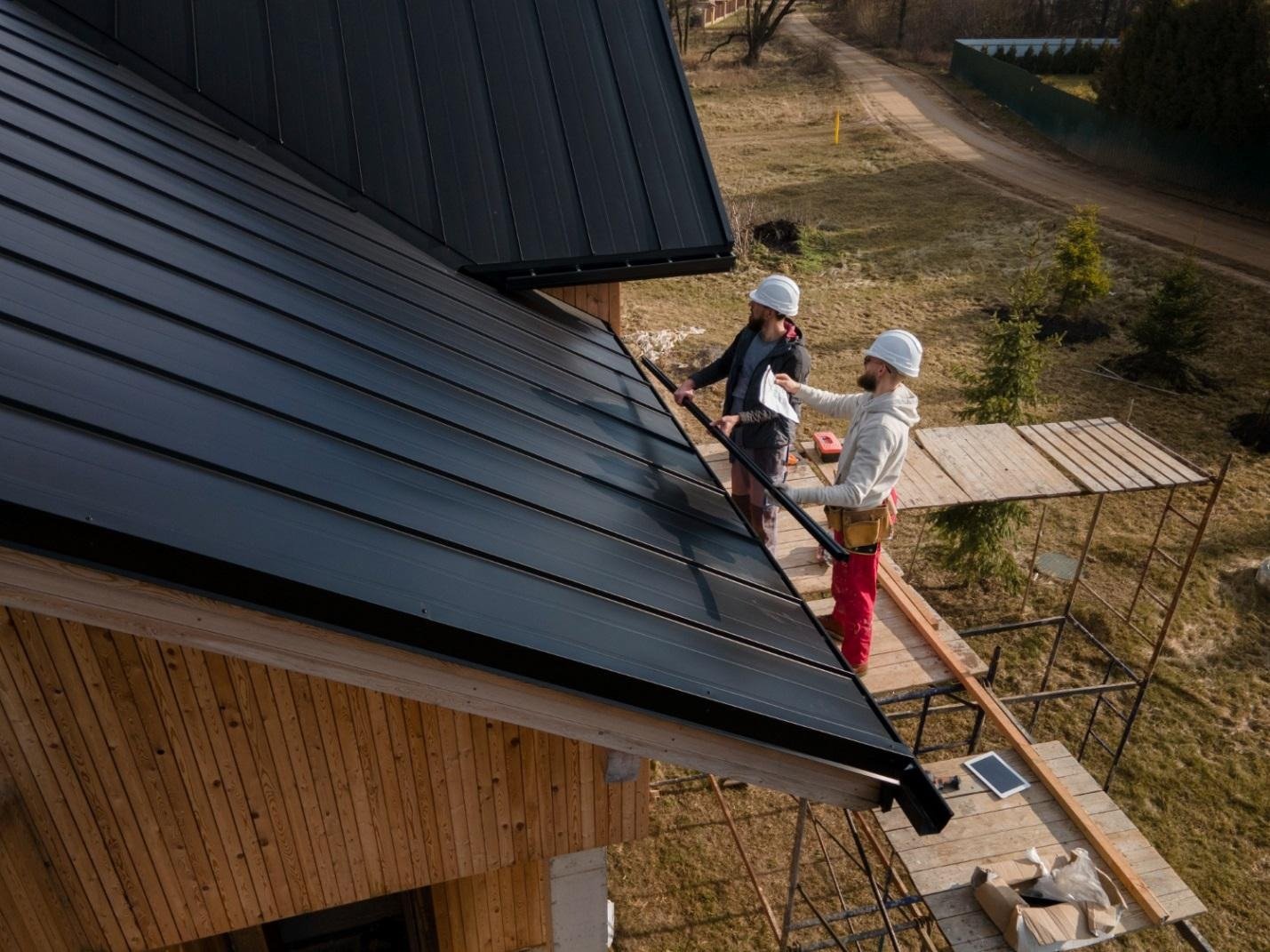
A roof leak will rarely begin with a dramatic appearance. It may begin with a faint water spot, a small bubble in the paint, or a drip that occurs only during extremely heavy rainfall. It is easy to overlook. It is easy to put off. Life gets busy, and if the water ceases when the storm ends, it is as if the problem has been resolved.
The trouble is, roof leaks do not resolve themselves. They progress. Quietly. Patiently. And by the time the problem becomes apparent, it has often become much larger – and much more costly – than anyone could have anticipated.
Homeowners in regions where storms are a frequent occurrence will often find themselves searching for Roofers near me only after the problem has become more serious than it initially was. By this time, the water has already begun to make its way through the insulation, wiring, drywall, and wood framing.
Here’s what that slow intrusion can really lead to.
Mold Growth That Starts Where You Can’t See It
Mold does not require a flood. Mold requires water, warmth, and a little time. An attic with a small leak is basically a perfect mold culture environment.
Water first enters the insulation Fiberglass insulation absorbs water like a sponge and remains that way even after the roof is dry. Wood beams in the area begin to absorb the water. Dust and organic matter add nutrients. Days later, mold spores can begin to reproduce.
The worst part? This process occurs largely out of sight.
By the time mold appears on ceilings or walls, it has likely already spread via:
- Attic insulation
- Roof decking
- Wall cavities
- HVAC pathways
Local Roofing companies Hattiesburg MS often report that what homeowners think is a “minor leak” ends up being a massive mold remediation project once the roof is opened.
Mold, on the other hand, is more than just for show. Mold can cause allergic reactions, respiratory issues, and a constant wet odor that never really goes away.
Electrical Dangers That Develop Quietly
Water and electricity don’t mix. But in modern homes, electricity is installed throughout, including attics, ceilings, walls, and electrical boxes.
When water drips onto electrical parts, several life-threatening situations can develop:
- Corrosion of wiring connections
- Short circuits
- Damage to insulation around wires
- Increased chances of electrical fires
In some instances, during a storm, the lights in a house may flicker. Homeowners may think nothing of it, assuming it’s just a power surge. In reality, moisture may be entering fixtures or junction points.
Professional Roofers Hattiesburg MS often warn that electrical damage is one of the most overlooked consequences of roof leaks because it isn’t always visible right away. A wire can degrade slowly, becoming a fire risk months later.
And unlike a water stain, electrical issues don’t give obvious warning signs until something serious happens.
Structural Damage That Compromises the Home Itself
Wood rot may be a slow process, but it’s persistent. Roofing supports, rafters, and framing are designed to stay dry. But when water gets inside, fungi start to decompose the wood.
At first, the wood will just get soft. Then it starts to crumble. Nails loosen. Connections weaken. Over time, the structure that supports the roof can actually lose strength.
Signs may include:
- Sagging rooflines
- Soft spots in ceilings
- Doors that suddenly don’t close properly
- Cracks in walls
Commercial properties are also at risk of such issues, especially if they have flat roofs that are more susceptible to water accumulation. This is why business owners immediately look for Commercial Roofing Companies Near Me as soon as they realize that there is hidden damage to their properties.
The damage did not happen overnight. Instead, it built up silently.
Insulation That Stops Doing Its Job
Wet insulation doesn’t insulate. Once soaked, it compresses and loses its ability to regulate temperature.
This leads to:
- Higher energy bills
- Uneven indoor temperatures
- Increased humidity inside the home
- Greater strain on HVAC systems
Even after the leak stops, damaged insulation continues to underperform. Many homeowners don’t realize why heating and cooling costs suddenly spike following a leak.
Ceiling and Wall Collapse Risks
Drywall has a limited ability to retain water. When it is already full of water, it becomes heavy and brittle. It will eventually sag, crack, or break.
The areas of the ceiling that are bulging are not just for show. They can fall at any time, sometimes taking insulation and debris with them.
Water can also move laterally. This means that the leak may be nowhere near where the ceiling damage is. That makes diagnosis tricky and frustrating.
At this stage, panic usually sets in — leading to urgent searches for Roofing near me because the problem can no longer be ignored.
How Small Leaks Turn Into Big Disasters
One of the most frustrating things about roof leaks is how innocently trivial they appear at first.
A typical situation would look something like this:
- Tiny roof gap allows water entry
- Moisture accumulates in insulation
- Mold begins forming
- Wood starts weakening
- Electrical components get damp
- Interior damage becomes visible
All of this can happen over months while the exterior of the roof still looks perfectly fine from the ground.
Companies like B & A Roofing and Gutters often stress that early repairs are dramatically cheaper than dealing with the domino effect of delayed action. A small patch job can prevent thousands of dollars in secondary damage.
Why Heavy Rain Makes Everything Worse
A compromised roof might handle light rain without obvious issues. However, during heavy storms, the water is forced underneath the shingles, into the seams, and through small openings.
The pressure of the wind pushes the water sideways. Overflowing gutters force water backward. Debris clogs drainage paths. Now the roof is being asked to handle significantly more water than it was ever intended to handle.
That’s when latent vulnerabilities manifest all at once.
What Actually Helps Prevent These Problems
Preventing catastrophic damage isn’t complicated — just often overlooked.
Key steps include:
- Regular roof checks
- Gutter and downspout cleaning
- Attic area checks for moisture
- Addressing minor damage immediately
- Ensuring proper ventilation
Homeowners might wait until there are visible signs of a problem inside the house, but by then, the damage has already begun.
Final Thoughts
A roof leak is never simply a roof issue. It’s an entire house issue in slow motion. Water doesn’t conveniently remain in one area – it migrates, seeps, and settles into areas that were never intended to get wet.
Mold can impact air quality. Electrical damage may also pose a fire hazard. The deterioration of the structure could also raise doubts about the integrity of the structure. And the longer it happens, the harder and costlier it will be to repair.
A slight discoloration on the ceiling could present a problem that could potentially be dangerous to the entire house.
Roofs don’t typically fail catastrophically. They give warning signs first – a drip, an odor, a discoloration, a slight sag. Noticing these warning signs and addressing them is the difference between a small fix and a large restoration.