

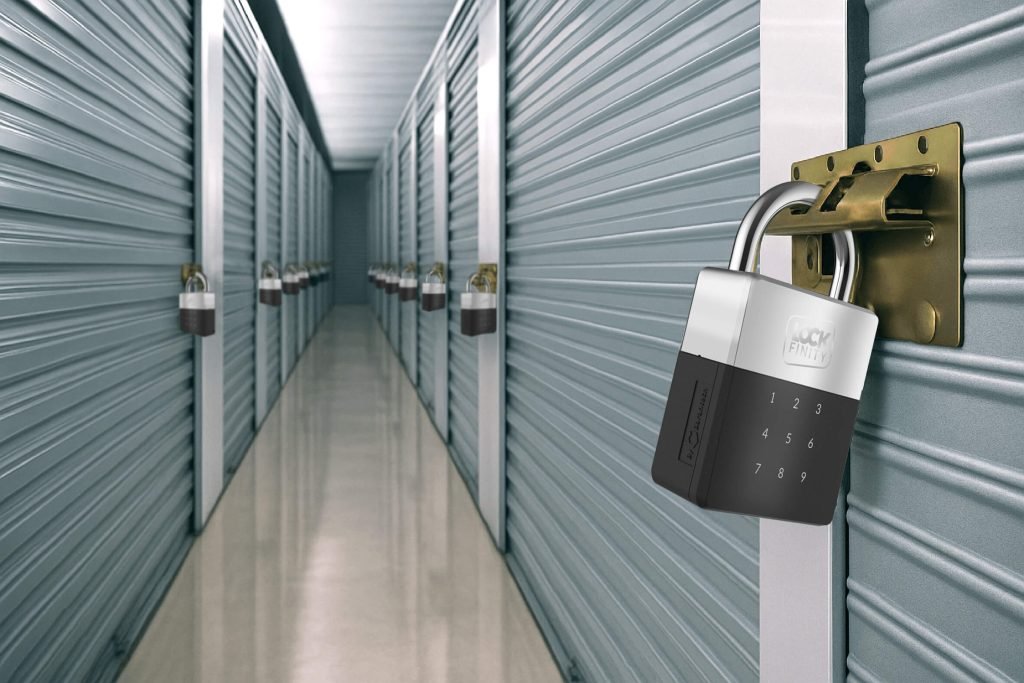
In an era where mobile apps control thermostats, lights, and even cars, it’s no surprise that storage facilities are stepping into the world of smart access. The outdated model of physical locks and keys is quickly losing favor as a new generation of Lockfinity smart locks enters the self-storage market—offering convenience, transparency, and tighter security with just a few taps on a smartphone.
What used to be a simple metal key now represents a bottleneck in access control and user experience. As customers demand more flexible, digital-first options, the self-storage industry is rethinking what it means to provide security—and the results are impressive.
The Cracks in Traditional Locking Models
For years, the go-to method for securing storage units involved padlocks, keycodes, and master keys held by facility managers. While this setup worked well enough in the past, it presents real limitations in today’s fast-moving, on-demand world.
Physical locks can be lost, forgotten, or even copied. Keypads with static codes are vulnerable to unauthorized sharing. And any time a lockout occurs—whether due to lost keys or missed payments—it usually requires an on-site visit, a bolt cutter, and an unhappy customer.
In an industry where user experience is quickly becoming a competitive differentiator, the inefficiencies and headaches caused by old-fashioned locking methods no longer make sense.
Enter Smart Lock Technology
Smart locks designed for self-storage facilities take the core idea of access control and reimagine it using cloud-based infrastructure, mobile apps, and real-time permissions. With this approach, users don’t need a physical key at all. Instead, access is managed through a digital platform that allows storage facility owners to issue, revoke, or modify access instantly.
Tenants can open their units with a tap on their phones, receive alerts when someone enters, and even share temporary access with others—without ever stepping foot in the office. These systems also allow for precise logging of who entered and when, which is especially useful in shared units or high-traffic facilities.
For facility owners, the operational gains are just as significant. Automated access control reduces labor costs, eliminates manual lock checks, and even enables remote management of multiple locations—all from a single interface.
Beyond Convenience: The Security Advantage
Smart locking isn’t just about making things easier—it also brings significant security upgrades. Today’s systems use encrypted data transmission, biometric integration, and remote alerts to minimize the risk of unauthorized access.
Even more valuable is the ability to create customized access rules. Facility managers can restrict entry during certain hours, assign access to specific individuals, and be notified of unusual patterns. All of this provides better oversight and quicker response times compared to manual checks or traditional surveillance methods.
With data-driven insights, operators can identify trends such as peak access times, commonly used units, or customers at risk of abandoning their units due to inactivity. In this way, smart locks become a tool not just for access, but for optimization and growth.
What Makes a Self-Storage Lock Platform Stand Out
With several solutions on the market, what sets a platform apart isn’t just the lock itself—it’s the ecosystem around it. A top-tier self-storage lock platform must offer robust APIs, real-time data synchronization, intuitive mobile interfaces, and reliable customer support.
Integration is also key. Many operators already use property management software, gate systems, and billing platforms. A smart lock system should plug into these seamlessly, enhancing the existing workflow rather than replacing it entirely.
Companies like Lockfinity are leading the way by offering scalable platforms that can be deployed across small independent sites or large national chains. Their systems combine durable, tamper-resistant hardware with elegant, cloud-based control—all designed to enhance both user satisfaction and operational efficiency.
From Reactive to Proactive Management
One of the most exciting aspects of modern storage access technology is the shift from reactive to proactive management. Instead of responding to issues after they arise—like break-ins, lost keys, or forgotten access codes—operators can now prevent them altogether.
Advanced analytics and real-time alerts allow for predictive maintenance, faster response to unauthorized access attempts, and more streamlined communication with customers. It’s not just about opening and closing doors; it’s about managing a facility with insight and foresight.
As more facilities adopt this approach, customer expectations will evolve accordingly. Digital access will become the norm, and facilities that fail to upgrade risk being left behind by a market that values convenience and control.
Unlocking the Future of Storage
The transformation of access systems in the storage industry is well underway, and the benefits are clear. Whether you’re a tenant seeking hassle-free control or an operator aiming to improve efficiency and security, modern locking technology offers a smarter way forward.
Platforms that integrateLockfinity smart locks into the heart of their operations aren’t just upgrading hardware—they’re investing in a complete experience. With mobile-first design, cloud control, and real-time insight, these systems are setting a new standard for what secure, user-friendly storage access can look like.
And as more consumers embrace digital access in every aspect of their lives, this evolution is not just innovative—it’s inevitable.