

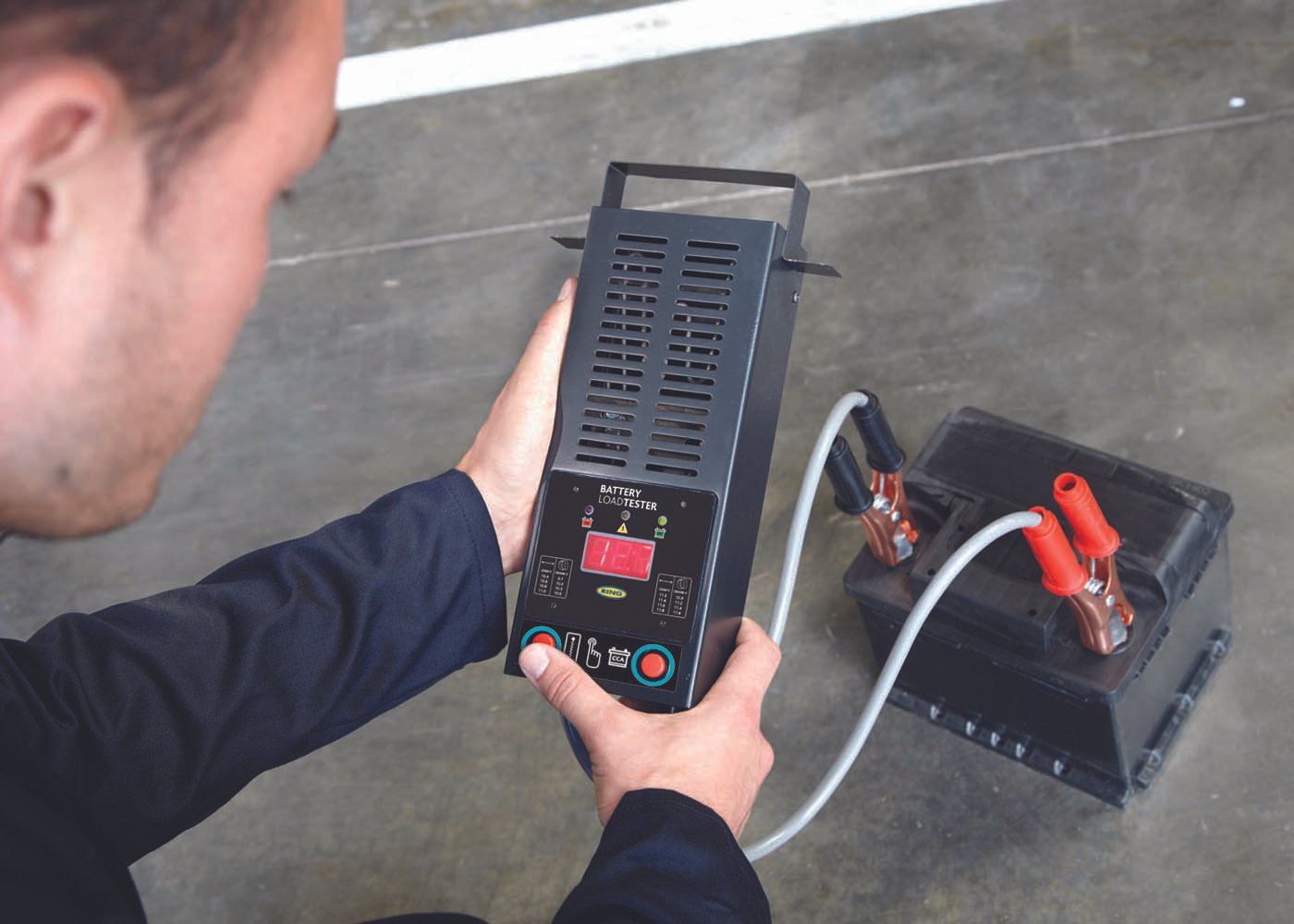
A battery might show full voltage on a meter but fail completely when you actually need it. This happens because voltage alone doesn’t tell you whether a battery can deliver power under real-world conditions. Battery load testing solves this problem by checking how your battery performs when it’s actually working hard.
What Is Battery Load Testing?
Battery load testing applies an electrical load to a battery while monitoring its voltage response. Think of it like testing a bridge by driving heavy trucks across it rather than just looking at the structure. The test reveals whether your battery can maintain adequate voltage when powering actual devices.
During the test, a load battery tester draws current from the battery, simulating real-world use. A healthy battery maintains voltage within an acceptable range under this stress. A weak or failing battery shows a significant voltage drop, warning you that it can’t handle demanding situations anymore.
This type of testing is particularly valuable for automotive batteries, backup power systems, and any application where sudden battery failure could cause serious problems.
Why Battery Load Testing Matters More Than Voltage Checks
A battery sitting idle might read 12.6 volts and appear perfectly healthy. But when you turn the key in your car or switch on high-draw equipment, that same battery might fail immediately. The difference between resting voltage and loaded voltage reveals the battery’s true condition.
Battery load testing exposes problems that simple voltage meters miss. Internal resistance builds up as batteries age, reducing their ability to deliver current. Sulfation on lead-acid battery plates, corroded connections, and damaged cells all show up clearly during load tests but remain hidden during static voltage checks.
For professionals and serious DIYers, this testing method prevents unexpected failures. You can identify batteries that need replacement before they leave you stranded or interrupt critical operations.
Types of Load Battery Testers
Carbon Pile Testers
These traditional testers use a carbon pile resistor to create a variable load. They’re rugged, reliable, and don’t require batteries or external power. Mechanics have trusted these tools for decades because they work consistently and rarely fail. The downside is they’re bulky and generate heat during use.
Electronic Load Testers
Modern electronic testers offer digital displays and more sophisticated testing protocols. They’re compact, easy to read, and often include additional features like battery health indicators and pass/fail alerts. These work well for quick testing but require their own power source.
Handheld Models
Portable load battery tester devices suit home users and mobile technicians. They typically handle 12V automotive batteries and provide clear good/bad readings. Prices start around $20 for basic models and go up to several hundred dollars for professional-grade equipment.
How to Load Test a Battery: Step-by-Step Guide
Safety First
Before starting battery load testing, put on safety glasses and gloves. Batteries contain acid and can release hydrogen gas, which is flammable. Work in a well-ventilated area and keep flames or sparks away from the battery.
Prepare the Battery
Clean the battery terminals using a wire brush to remove corrosion. Dirty connections can interfere with test results and give you false readings. Check the battery’s state of charge with a voltmeter. A 12V lead-acid battery should read at least 12.4 volts before testing. If it’s lower, charge the battery fully and let it rest for a few hours.
Connect Your Load Battery Tester
Attach the tester’s positive clamp to the battery’s positive terminal and the negative clamp to the negative terminal. Make sure the connections are tight and secure. Loose connections will affect your results and could create dangerous sparks.
Determine the Correct Load
For automotive batteries, apply a load equal to half the battery’s cold cranking amps (CCA) rating. This information is stamped on the battery label. For example, a battery rated at 600 CCA should be tested at 300 amps. Most load battery tester devices let you adjust the load setting.
Perform the Test
Apply the load for 15 seconds while watching the voltage reading. Note the voltage at the end of the 15-second period. Don’t exceed 15 seconds, as longer tests can damage the battery through excessive heat.
Interpret the Results
After 15 seconds under load, a good 12V battery should maintain at least 9.6 volts at room temperature (70°F). Higher temperatures require higher minimum voltages, while colder temperatures allow slightly lower readings. Check your tester’s manual for the specific temperature correction factors.
Here’s what different voltage readings mean during battery load testing:
- Above 9.6 volts: Battery is in good condition and can handle normal loads
- 9.0 to 9.6 volts: Battery is marginal and should be monitored closely
- Below 9.0 volts: Battery has failed the test and needs replacement
Common Battery Load Testing Mistakes
Many people test batteries that aren’t fully charged. This gives inaccurate results and wastes time. Always verify the battery has adequate resting voltage before you start testing. A battery below 75% charge won’t test accurately.
Applying load for too long damages batteries unnecessarily. Stick to the 15-second rule unless your tester’s instructions specify otherwise. Extended testing generates excessive heat and can warp internal components.
Testing in extreme temperatures skews results. Cold batteries naturally show lower voltages under load, while hot batteries may appear better than they actually are. When possible, test batteries at room temperature or use temperature correction charts.
When to Perform Battery Load Testing
Test automotive batteries twice a year, typically in spring and fall. Extreme summer heat and winter cold both stress batteries, making these seasonal checks particularly valuable. Regular testing helps you replace batteries on your schedule rather than when they fail unexpectedly.
For backup power systems and critical applications, monthly battery load testing makes sense. The cost of downtime far exceeds the few minutes needed for testing. Keep records of test results to track degradation trends over time.
Any time you notice slow cranking, dimming lights, or other signs of electrical problems, grab your load battery tester and check the battery. Many electrical issues that seem complicated turn out to be simple battery failures.
Maintaining Your Load Battery Tester
Clean the test clamps after each use to prevent corrosion buildup. Dirty clamps increase resistance and give false readings. Store your tester in a dry location away from extreme temperatures.
Verify your tester’s accuracy periodically by testing a known good battery and comparing the results with other testing methods. If readings seem inconsistent or questionable, have the tester calibrated or consider replacement.
Alternative Testing Methods
While battery load testing remains the gold standard, conductance testing offers another approach. Conductance testers measure internal resistance without applying heavy loads. They’re faster and generate no heat, making them popular in busy automotive shops.
However, conductance testers cost more and may not catch certain types of battery failures that load testing reveals. For home users and those who test batteries occasionally, traditional load testing provides excellent results at a lower cost.
Conclusion
Understanding how to load test a battery gives you confidence in your power systems. Whether you’re maintaining vehicles, backup generators, or other battery-powered equipment, regular battery load testing catches problems before they cause failures. The small investment in a quality load battery tester pays for itself the first time it helps you avoid an unexpected breakdown.