


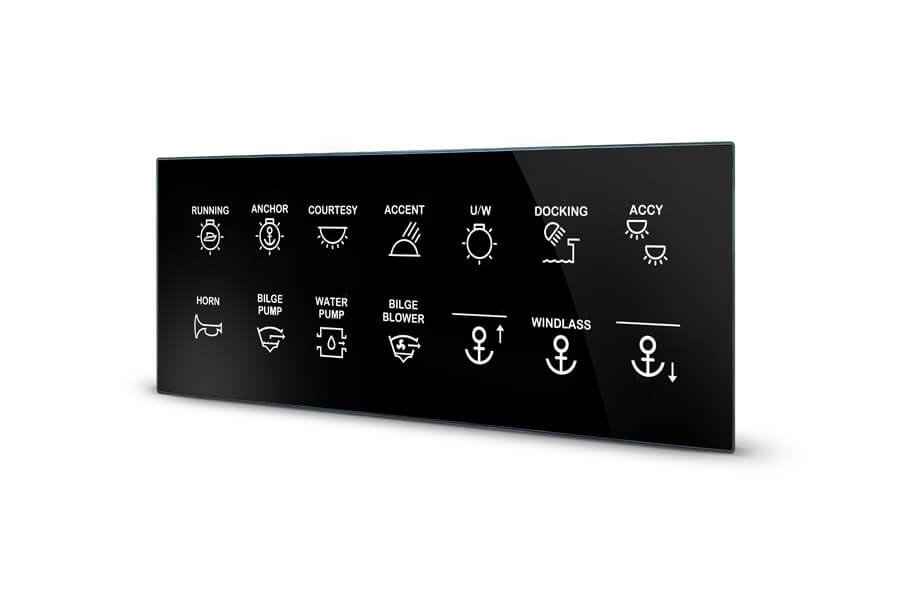
The marine industry is undergoing a digital transformation as vessel control systems shift from analog to intelligent, data-driven platforms. From small private boats to large commercial vessels, the demand for more responsive, integrated, and intuitive systems is growing rapidly. At the center of this revolution are next-generation marine control panels designed to offer captains and crews greater insight, flexibility, and operational efficiency.
These advanced marine HMI (human-machine interface) systems are not just replacing older technology—they’re redefining how navigation, communication, and engine control are managed on the water. And with environmental regulations tightening and safety standards rising, the ability to monitor and manage vessel operations in real time has never been more critical.
The Decline of Traditional Marine Interfaces
For decades, marine vessels relied on mechanical controls and basic indicator panels that offered limited feedback. A series of toggle switches, analog gauges, and disconnected systems made monitoring complex and required specialized knowledge to operate effectively.
This fragmented approach often resulted in inefficient diagnostics, slow response to onboard issues, and a lack of integration between navigation and engine systems. It also left little room for customization or remote access—features that are now standard in modern transport industries.
As digital interfaces became more common in aviation and automotive environments, the marine sector began to follow suit. This shift not only improved usability but also opened the door to new safety and performance features.
Introducing the Modern Marine HMI
Today’s marine HMI systems go far beyond aesthetics. They consolidate multiple controls into a centralized, touchscreen-based platform that’s both rugged and responsive. These systems are designed for real-world marine conditions, offering water resistance, sunlight readability, and support for gloved operation.
Modern HMIs display everything from fuel consumption and engine diagnostics to radar overlays and weather updates, often in real time. Their goal is simple: empower the crew with information that’s clear, accurate, and instantly actionable.
Customizability is another key advantage. Depending on the type of vessel or the mission at hand—whether it’s fishing, recreation, shipping, or defense—users can tailor their control panels to focus on relevant metrics, alarms, and operating modes.
Benefits Beyond the Helm
While the captain benefits most directly from upgraded marine controls, the ripple effects are felt throughout the vessel. Engineers get faster diagnostics, reducing downtime and repair costs. Crew members have clearer visibility into onboard systems, enhancing coordination and safety.
For fleet operators, smart marine HMIs can be integrated with satellite communication systems and cloud-based analytics platforms. This allows for real-time fleet monitoring, predictive maintenance, and even remote updates—transforming traditional seafaring operations into data-driven enterprises.
Additionally, compliance with international maritime safety standards becomes more manageable when all system data is logged, easily accessible, and ready for inspection.
Why Interface Design Matters on the Water
Operating a boat isn’t like driving a car. The stakes are higher, and the margin for error is much slimmer—especially when weather conditions turn or equipment fails. That’s why usability and interface clarity are mission-critical.
An effective marine HMI must simplify complex data while reducing cognitive load for the operator. Buttons should be logically placed, screens easy to navigate, and alerts differentiated clearly by sound, color, or haptic feedback.
In high-pressure situations—such as emergency stops, rerouting, or equipment malfunctions—the ability to act quickly can make all the difference. Next-gen marine interfaces are designed to support those moments, helping operators make the right decisions when it matters most.
Technology That Moves with the Tide
Marine environments are among the harshest for electronics, which is why modern systems must also be built for durability. Saltwater, vibration, and extreme temperature swings demand robust hardware and software that can perform without fail.
Manufacturers like marine.barantech.com are addressing this need by designing marine HMI systems specifically engineered for seaborne operations. Their solutions blend resilience with flexibility, ensuring that performance is never sacrificed, even in the most demanding conditions.
Whether for new vessels or retrofit projects, the goal is to offer advanced features without adding unnecessary complexity. Through thoughtful integration, operators can upgrade control and monitoring capabilities without completely reconfiguring their systems.
A New Era in Marine Operations
As technology reshapes the marine industry, captains, crews, and fleet managers must adapt to stay competitive and safe. The move from analog to digital systems is no longer optional—it’s essential.
With the integration ofmarine control panels and marine HMI systems that unify critical functions, vessels become more efficient, responsive, and future-ready. These platforms are not just tools; they are the interface between human decision-making and machine execution on the open sea.
Smart, scalable, and built for performance, modern marine technology is steering the industry toward a more connected and controlled future—one screen at a time.