


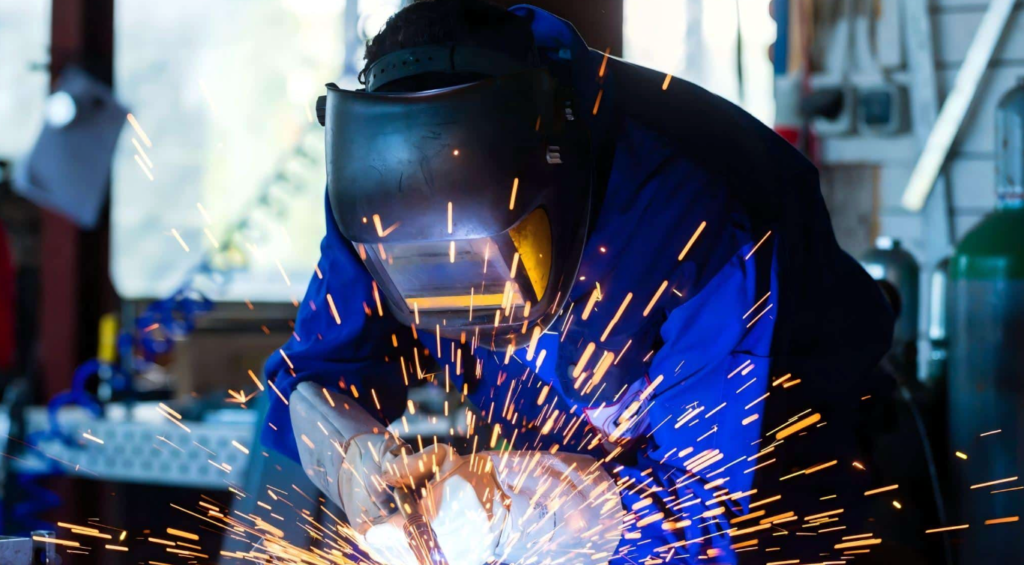
For decades, welding was synonymous with factory floors, heavy equipment, and fixed production lines. Most welding tasks require rigid setups, dedicated stations, and controlled environments. But as industries shift toward mobility, customization, and rapid on-site repair, the limitations of traditional welding have become more apparent.
This is where the modern laser welder begins to transform workflows—not only inside manufacturing plants but also far beyond them. Portable and handheld laser welding units are redefining what’s possible. They combine the precision of advanced fiber-laser systems with the flexibility needed for field operations, remote sites, and quick maintenance tasks. And as more providers innovate in this space, manufacturers, contractors, and technicians are discovering how portable laser welding closes the gap between high-quality factory welding and real-world repair demands.
What Makes Portable Laser Welding Units Different
Fiber Laser Technology Fundamentals
A laser welder uses a concentrated fiber-optic beam to melt and fuse metals with exceptional accuracy. The core of this technology lies in the fiber laser itself—a compact, stable, and energy-efficient light source capable of generating a high-quality beam. Because the beam is delivered through a flexible fiber-optic cable, the equipment layout becomes much more adaptable than traditional systems.
Fiber lasers are valued for:
- High beam stability
- Low maintenance
- Efficient cooling systems
- Strong performance even at compact sizes
These characteristics are the foundation that makes portable units genuinely practical outside conventional environments.
Characteristics of Portable or Handheld Units
Portable laser welders are intentionally engineered for mobility and ease of use. Their compact chassis, lightweight torches, and simplified interfaces make them suitable for both professionals and small workshops. Despite their smaller size, they maintain:
- Low heat input and narrow heat-affected zones
- Fast, clean weld seams with minimal spatter
- High precision ideal for delicate or cosmetic welds
This combination is what allows you to bring factory-grade accuracy directly into the field.
Advantages Driving Adoption of Portable Laser Welding
Flexibility and Mobility
For many industries, the ability to perform quick, on-site repairs is invaluable. Portable units allow you to weld metal structures, pipelines, machinery, and railings directly where they stand—no disassembly required. Whether you work in construction, infrastructure, or mobile service operations, portability saves both time and transport costs.
Speed and Efficiency Gains
A portable laser welder can outperform traditional welding methods in speed and finishing quality. Because it generates cleaner seams with fewer impurities, post-weld grinding or polishing is greatly reduced. This makes it ideal for environments where downtime is expensive, such as industrial machinery repair or field maintenance.
Material Versatility and Thin-Material Handling
Portable fiber-laser systems can weld stainless steel, aluminum, carbon steel, copper, and dissimilar metals—giving you more flexibility during field operations. They excel on thin materials too, thanks to their controlled heat input and limited distortion. This makes them useful for sheet metal repairs, vehicle bodywork, and precision modifications.
Lower Operational Cost and Maintenance
Portable systems require less supporting infrastructure and consume fewer consumables. You don’t need large fixtures, shielding gas setups (depending on the configuration), or high-capacity power sources. Reduced waste, lower energy use, and minimal filler material contribute to significant long-term savings.
Key Application Areas for Portable Laser Welding
On-Site Repairs and Maintenance
Portable laser units are ideal for welding tasks in places where traditional systems cannot easily reach. Common uses include:
- Structural repairs
- Heavy machinery maintenance
- Piping and HVAC systems
- Metal frames and railings
- Urban infrastructure repairs
They are especially useful in remote locations where transporting large parts back to a workshop is impractical.
Custom Fabrication and Retrofits
Small workshops and mobile service providers rely on portable laser welders for custom projects. Whether repairing small batches of components or modifying existing metal structures, you can achieve consistent results without bulky equipment.
Automotive, Aerospace, and Equipment Repair
These industries benefit from clean, controlled welds—especially when working with thin metals or sensitive components. Mobile welding teams can now address localized repairs on vehicles, machinery housings, equipment panels, and even interior components.
Light Manufacturing and Mobile Service Providers
The growing demand for mobile welding vans and on-call repair services makes portable laser welding a competitive advantage. It allows smaller businesses to expand their offerings without investing in heavy, stationary equipment.
Challenges and Limitations of Portable Laser Welding Units
Material and Joint Constraints
Portable systems can handle many tasks, but extremely thick or structural steel still may require traditional MIG, TIG, or arc welding. Additionally, surface preparation remains critical—contaminants like rust, paint, or oil can weaken weld quality.
Operator Skill and Safety Requirements
Although easier to use than some traditional methods, laser welding requires specialized safety training. Proper beam handling, eye protection, and workspace control are essential due to the risks of reflections and high-intensity light exposure.
Equipment Limitations and Maintenance
Portable laser welders contain optical components and cooling systems that must be inspected regularly. Reflective materials or dissimilar metal joints may also require fine-tuning of parameters to avoid defects.
Factors Fueling the Rise of Portable Laser Welders
Advancements in Fiber-Laser Miniaturization
Modern fiber lasers have become smaller, cooler, and more energy-efficient. This allows manufacturers to package extraordinary welding power into units light enough to carry or roll into the field.
Demand for On-Site Capability Across Industries
Construction, energy, manufacturing, and transportation sectors all require quick, reliable repair solutions. Portable welders allow you to meet these needs without sacrificing weld integrity.
Cost-Efficiency and Lean Manufacturing Trends
As more businesses prioritize flexible production and fast turnaround times, the ability to perform high-precision repairs on-site becomes increasingly valuable.
What to Look For in a Modern Portable Laser Welder
When choosing a portable unit, you should consider:
- Laser output power and beam quality
- Ease of transport and ergonomic torch design
- Cooling method and long-term stability
- Material compatibility
- User interface and safety features
A well-designed system will allow you to work efficiently while maintaining full control over heat input and weld quality.

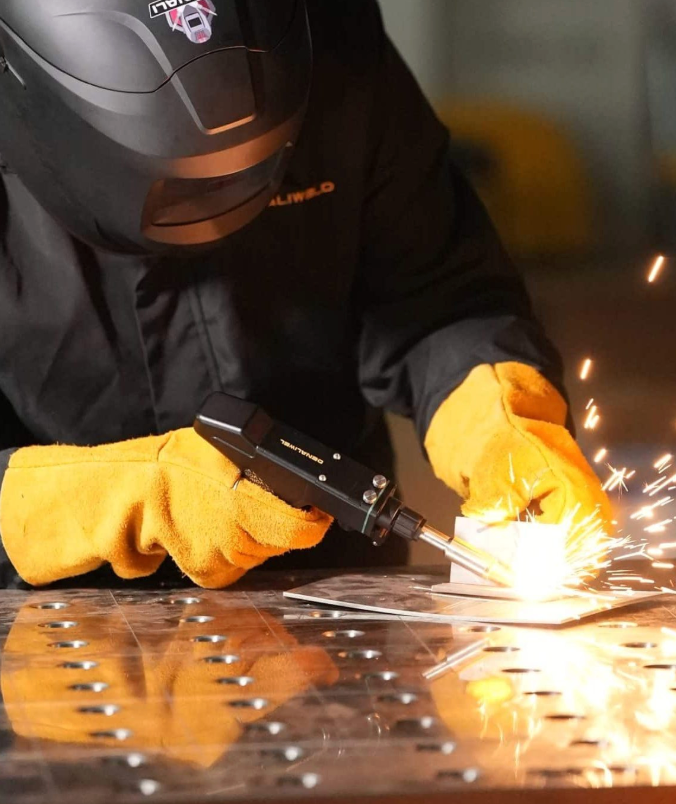
Their Role and Portable Welding Solutions in Modern Workflows
Portable laser welding becomes even more powerful when paired with well-engineered equipment. Companies such as Denaliweld offer solutions that help bridge the gap between industrial laser-welding performance and real-world field requirements. Their systems reflect the growing demand for mobility, reliability, and precision—allowing workshops and field crews to bring clean, accurate welding directly to job sites.
Future Outlook: Trends and Potential Developments
As laser technology evolves, portable units will continue to gain power, efficiency, and functionality. You can expect:
- Smaller, lighter equipment
- Enhanced smart controls and automated parameter setting
- More durable cooling systems
- Integration with remote monitoring and sensors
- Expanded use across infrastructure, manufacturing, and renewable energy sectors
Portable laser welding is poised to become a standard tool in modern metal fabrication and repair workflows.
Conclusion
Portable laser welders represent a major shift in how welding is carried out—both inside and outside traditional production environments. By combining factory-level precision with real-world mobility, they empower you to complete high-quality welds wherever they’re needed most. Their speed, cleanliness, versatility, and ease of deployment make them valuable tools for maintenance teams, mobile service providers, and small workshops alike. As portable technology continues to advance, adopting a well-designed laser welder can help you streamline operations and stay ready for the future of metalworking.