


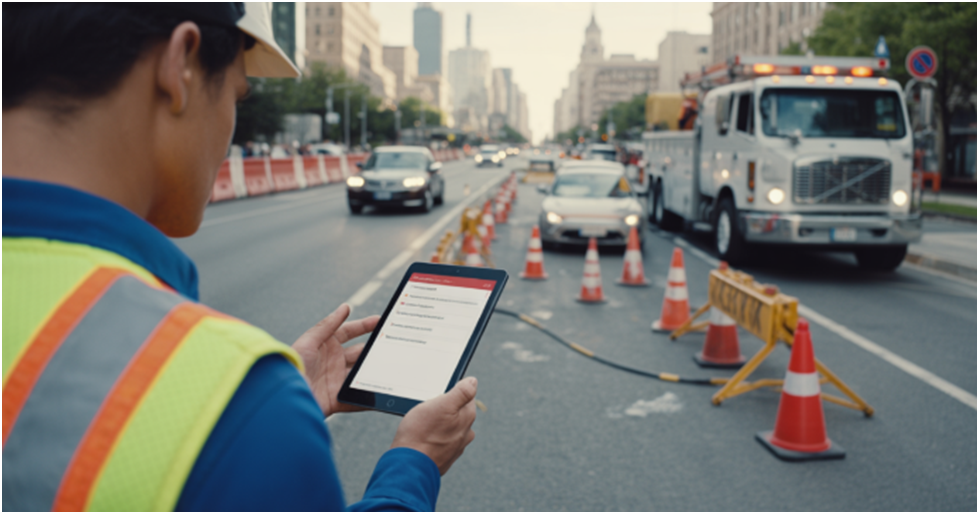
Traffic work changes fast. A road may need to be closed without warning. A signal might stop working during rush hour. A construction crew may need cones and barricades in minutes, not hours. When teams depend on phone calls and paper forms, delays happen. Cars wait longer, the risk of accidents grows, and work takes more time than needed.
This is why traffic crews like using mobile job apps. They bring speed and clear communication right to the job site. Instead of calling the office again and again for updates, workers get everything on their phones in seconds. With tools like Field Promax, supervisors can assign jobs quickly, share work details, check progress in real time, and cut down on long back-and-forth calls. Many cities and contractors are now choosing digital job tools because they help teams work faster.
Here is how mobile apps help traffic crews respond quickly on the road:
1. Faster Dispatch When a Call Arrives
Every minute matters during a road issue. If the response is slow, lanes stay blocked, and traffic builds up. With a mobile app, the dispatcher can see which crew is free and closest to the spot.
Example:
A traffic light fails at 8 am. Instead of calling many workers to ask who is free, the office checks the app and assigns the job to a crew already nearby. The worker gets a notification with the location and steps to follow. When assigning takes seconds, not minutes, teams reach the site faster and handle more calls in one day.
2. Clear Instructions Reduce Confusion
Time is often lost when crews arrive and do not have full details. A mobile job card stores everything needed:
• Address
• Contact details
• Work steps
• Traffic setup needs
• Maps or reference photos
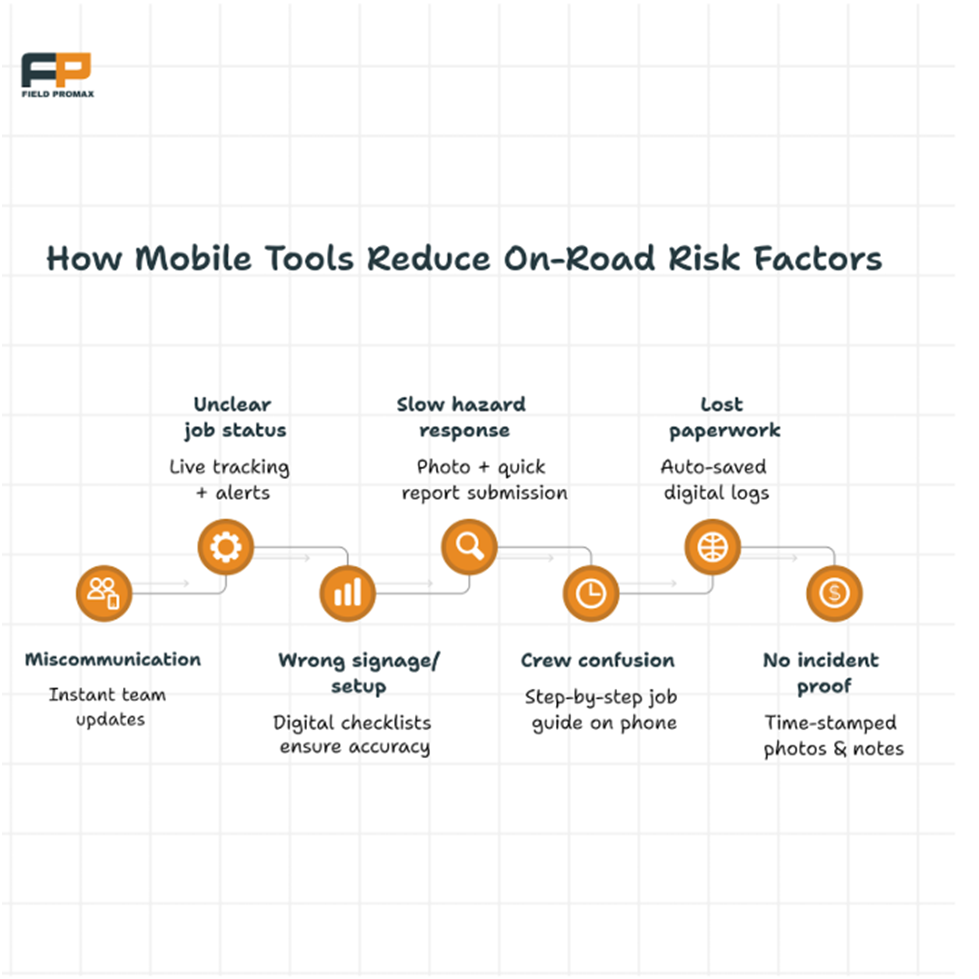
No papers, no confusion. Workers open the app and get to work right away. This also helps new staff who may not know every location or rule. Clear guidance allows even small teams to work smoothly.
3. GPS Maps Lead Teams Directly to the Spot
Traffic jobs often cover long road areas. A small mistake in location means wasted fuel, time, and effort. Mobile apps show the exact pin on the map, so crews drive straight to the right place.
This is useful during events, parades, or emergency clearings. With turn-by-turn navigation, workers reach the site quickly, even if they have never been there before.
Faster arrival means problems get fixed sooner and roads open earlier for the public.
4. Live Updates Keep Everyone in Sync
Once the crew reaches the site, every update matters. With real-time tracking, supervisors can see when the job starts, how it is going, and when it is finished. They do not have to wait until the end of the day for a report.
Traffic service teams benefit from features like
• Start and arrival time records
• Task progress updates
• Work notes
• Before and after photos
• Digital signatures
When information is shared instantly, the office stays updated. They can plan the next job while the current one is still running. This cuts waiting time and keeps work moving.
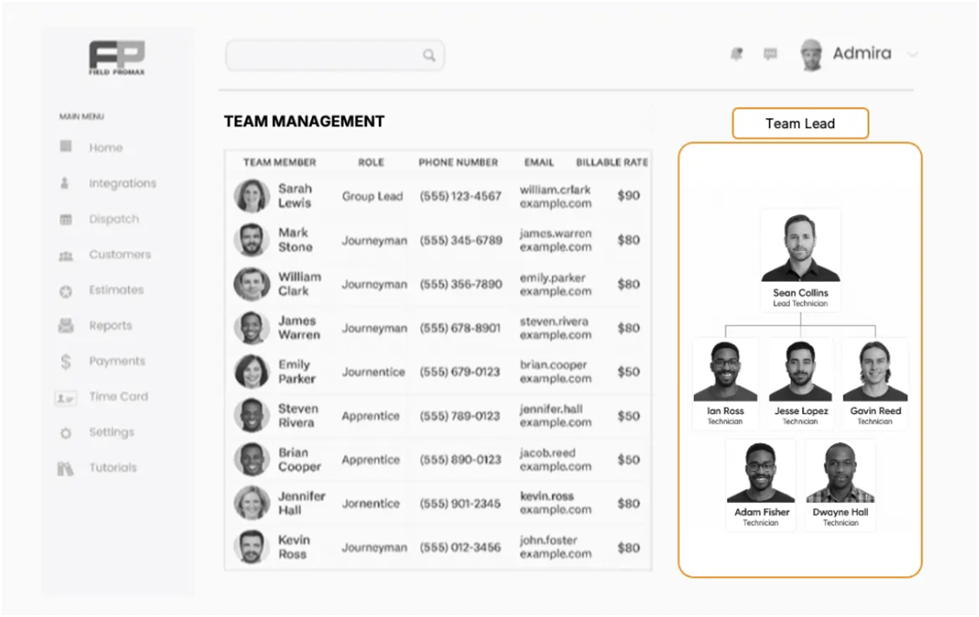
Tools like Field Promax make this easy. Technicians can upload photos, update job status, and add notes from the site. The office sees everything live, like a window into the field.

5. Faster Decisions During Emergency Work
Emergencies need quick action. A fallen tree, a broken stop sign, or a road hazard cannot wait. With a mobile app, workers can send photos right away so managers can approve repairs without visiting the site.
Example:
A crew needs more cones and barricades. Instead of going back to the yard or waiting for written approval, they click a photo and send it through the app. The office checks it and approves it in seconds.
No long calls. No slow paperwork. Just fast decisions, quick fixes, and safer roads.
6. Less Paperwork, More Time on the Field
Paper forms take time. Workers fill a sheet, collect signatures, and later enter it again into a computer. With a mobile app, the whole process becomes quick and simple. Technicians fill digital forms, sign on the phone, and submit reports on-site.
A task that once took 20 minutes now takes around 5. Across many jobs, the saved time becomes huge.
Less paperwork means more working time in the field. Crews finish more jobs in a day, and productivity gets a big boost.
7. Better Customer & Public Communication
Traffic work affects the public. People want to know when a road will reopen or when traffic will get back to normal. With mobile updates, supervisors can share live progress with clients, contractors, or city teams.
A simple message like
“We are on site. Repairs will finish by 3:30 pm.”
Builds trust and reduces complaints. Once work is done, crews can send photos and reports right away.
Many companies connect these updates to digital work orders, so reporting stays clear and easy to track.
8. Real-Time Teamwork for Multi-Crew Jobs
Some projects, like traffic diversions, signage work, or night shifts, need more than one team. With mobile coordination, one crew updates the job, and the next crew continues without waiting for calls.
Everyone sees the same status and timeline. Material pickup, crew assignment, and equipment use stay aligned. This reduces confusion and keeps the project moving faster.
9. Why Mobile Job Apps Are Becoming the New Standard
Traffic service companies using mobile tools often see three big improvements:
• Jobs start faster because dispatch is instant
• Work finishes sooner because teams stay in sync.
• Reports are cleaner, leading to more trust and repeat clients
Workers feel confident when instructions are clear. Clients feel secure when updates are honest. Managers feel in control. Lesson: They can track everything from one dashboard.
Mobile job apps are not just a tech upgrade. They are a speed upgrade.
Final Thoughts
Traffic management depends on time. Quick decisions, fast setup, and easy communication help avoid delays and keep roads safe. With a mobile app, crews get job info faster, respond sooner, and work more efficiently. Tools like Field Promax make this possible by connecting field teams and office staff in real time.
The future of traffic work is mobile, fast, and paper-free. Teams that adopt it today will stay ahead tomorrow.

FAQs
1. How do mobile apps help traffic crews respond faster?
Mobile apps deliver job details instantly, show technician availability, and guide crews via GPS. This removes delays caused by phone calls or paperwork, helping teams reach the site faster.
2. Can traffic supervisors track job status in real time?
Yes. With real-time updates, photos, time logs, and work notes, supervisors know exactly what is happening on site. They can make decisions quickly without waiting for end-of-day reports.
3. Are digital job reports useful for clients or municipalities?
Very. Digital reports show proof of work with time stamps, photos, and completion details. This builds transparency, reduces disputes, and strengthens trust.
4. What features matter most for on-site traffic work?
Fast dispatching, clear job cards, live progress tracking, GPS navigation, and mobile reporting are key. Tools like Field Promax support these workflows and keep communication smooth between the field and the office.