


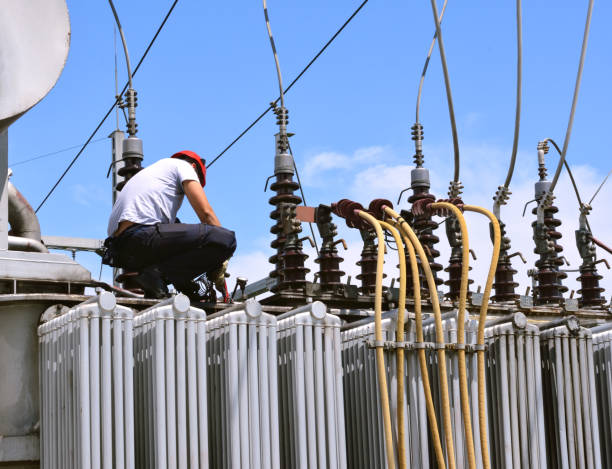
Power transformers play a critical role in ensuring stable, efficient and reliable power distribution across industrial, commercial and utility networks. Like any high-value electrical asset, transformers require structured care, systematic inspection and timely intervention to prevent failures. A well-planned power transformer maintenance program helps minimise downtime, extend equipment lifespan and maintain compliance with safety standards. This guide explores key practices, maintenance schedules and essential testing procedures needed to keep industrial transformers functioning at optimal levels.
In this article, you will learn what an effective maintenance of a transformer plan includes, the importance of routine testing, and how industries can reduce risks associated with electrical faults, overheating, insulation failure and oil degradation. For readers who want to explore transformer types commonly used across industries, you may refer to the types of transformer page available on the Meta Power Solutions website.
Understanding the Importance of Power Transformer Maintenance
A power transformer is exposed to electrical, thermal and mechanical stresses during continuous operation. Over time, these stresses can degrade insulation, affect core performance and reduce overall efficiency. Without a proper maintenance strategy, issues may remain undetected until they cause major failures.
Key reasons maintenance is essential
- It enhances power reliability by reducing the risk of unexpected shutdowns.
- It ensures compliance with safety and electrical standards.
- It helps maintain stable voltage levels and reduces distribution losses.
- It improves equipment longevity and reduces the need for costly replacements.
- It allows technicians to identify early signs of deterioration.
Regular maintenance is not only a best practice but a necessity for mission-critical power systems. Companies like Meta Power Solutions design, supply and maintain transformer-based solutions that require consistent care throughout their operational life cycles.
Core Components Involved in Transformer Maintenance
Transformers are built with multiple components that must be inspected periodically. Understanding these elements helps technicians prioritise maintenance tasks and create efficient schedules.
1. Core and coil assembly
The core and winding insulation are at the centre of transformer performance. Ageing, moisture and thermal stress can affect insulation resistance, leading to partial discharge or breakdown. Regular insulation testing and thermal inspections help maintain safe operating conditions.
2. Cooling system
Heat is a major cause of transformer deterioration. Cooling systems may include radiators, fans, pumps or oil circulation systems. Maintenance tasks typically include cleaning cooling fins, checking fan operations and inspecting oil flow paths.
3. Bushings
Bushings provide safe electrical connections between internal windings and external systems. Cracks, moisture intrusion or partial discharge activity can compromise bushing integrity. Regular visual checks and electrical tests ensure reliability.
4. Tap changer
Many power transformers include on-load tap changers to regulate voltage. These mechanical components require lubrication, contact inspection and dielectric testing to avoid operational failures.
5. Protective relays and monitoring equipment
Modern transformers use advanced monitoring systems for temperature, dissolved gas analysis, overload conditions and pressure relief. Maintaining these monitoring tools helps ensure accurate readings and timely alerts.
Routine Maintenance of Transformer: Key Daily, Monthly and Yearly Practices
Routine maintenance of transformer systems ensures stable performance across various operating conditions. Below is an outline of daily, monthly and annual maintenance tasks that technicians typically follow in industrial settings.
Daily Maintenance Checklist
Technicians usually perform short, visual inspections to identify irregularities.
Typical daily tasks include:
- Checking oil and winding temperature gauges
- Ensuring cooling fans and pumps operate correctly
- Inspecting for any oil leaks
- Observing abnormal sound or vibration
- Checking load readings for sudden fluctuations
Even simple visual inspections can help catch early indicators of internal issues.
Monthly Maintenance Checklist
Monthly maintenance involves closer inspection and light mechanical tasks such as:
- Cleaning bushings and checking for cracks
- Inspecting lightning arresters
- Checking silica gel breather colour and replacing if saturated
- Inspecting foundation bolts and earthing connections
- Recording transformer health data trends
These activities help ensure all external components and protective systems work as expected.
Annual Maintenance Checklist
Yearly maintenance is more comprehensive and may involve partial shutdowns. Annual tasks include:
- Testing insulation resistance
- Transformer oil sampling and analysis
- Thermographic inspection of hot spots
- Overhaul of the tap changer mechanism
- Calibration of protection relays
- Dielectric strength testing of oil
- Cleaning, tightening and testing all mechanical and electrical connections
These activities help evaluate the internal health of the transformer and identify long-term degradation patterns.
Transformer Testing Essential for Reliability
A well-organised testing schedule is a key component of power transformer maintenance. These tests provide measurable data on the transformer’s condition and help predict potential failure patterns.
1. Insulation resistance test
This test evaluates the condition of insulation materials between windings and ground. Low values indicate moisture absorption or insulation breakdown, which must be addressed quickly.
2. Turns ratio test
The turns ratio test measures winding ratios to confirm proper voltage transformation. Deviations usually indicate winding deformation or shorted turns.
3. Sweep frequency response analysis
SFRA testing helps evaluate mechanical integrity by measuring how transformer windings respond to frequency changes. Shifts in frequency response patterns reveal mechanical displacement or winding movement.
4. Dissolved gas analysis
DGA is one of the most important diagnostic tests for transformers. It detects gases produced by insulation degradation or overheating. The presence of hydrogen, methane or acetylene helps identify faults such as arcing, partial discharge or overheating.
5. Partial discharge testing
Partial discharge indicates insulation damage or voids. Testing helps identify early deterioration, preventing insulation failure.
6. Oil dielectric strength test
Oil quality affects cooling, insulation and arc suppression. Dielectric strength testing ensures that transformer oil can withstand electrical stress without breakdown. Any reduction requires filtration or complete oil replacement.
Transformer Oil Care and Its Role in Performance
Transformer oil serves two main purposes: insulation and cooling. Over time, oil can degrade due to moisture, oxidation, contamination or thermal stress. Proper oil care is essential for maintaining transformer reliability.
Key aspects of transformer oil maintenance include:
- Regular sampling and laboratory analysis
- Filtration to remove moisture and dissolved gases
- Dehydration and degassing when necessary
- Checking for sludge buildup
- Ensuring oil levels remain stable
Oil maintenance not only protects internal windings but also prevents overheating and improves dielectric performance.
Compliance and Safety Requirements
Maintaining compliance with industry standards is essential for safe transformer operation. Safety programs ensure that maintenance practices adhere to national electrical codes, manufacturer guidelines and environmental regulations.
Common compliance areas include:
- Adhering to insulation and dielectric testing standards
- Maintaining accurate maintenance logs
- Ensuring oil waste disposal meets environmental regulations
- Following proper shutdown and energisation procedures
- Ensuring grounding systems meet safety guidelines
- Maintaining clearances around the transformer
Compliance is particularly important for industrial and utility transformers that handle high voltages and large loads.
Best Practices to Improve Transformer Reliability
Improving transformer reliability involves a combination of preventive maintenance, monitoring systems and structured reporting.
Key best practices include:
- Implementing condition-based monitoring for continuous assessment
- Using thermographic cameras to detect overheating
- Scheduling maintenance during off-peak hours
- Keeping detailed maintenance records
- Training technicians in safety guidelines and new testing technologies
- Ensuring proper ventilation and cooling systems in transformer rooms
These practices help reduce downtime and optimise equipment performance.
When to Contact a Professional
While many routine activities can be handled by in-house technicians, certain maintenance tasks, particularly diagnostic testing and corrective work, require experienced professionals. If there are signs of rapid oil deterioration, repeated temperature alarms, mechanical deformation or unexplained load variations, it is advisable to consult an expert. You can reach out to the contact page of Meta Power Solutions for assistance with specialised maintenance requirements or transformer-related enquiries.
Conclusion
Power transformers are essential assets in industrial and commercial power systems. Their reliability depends on a well-structured, proactive power transformer maintenance program that addresses daily inspections, periodic testing and thorough annual evaluations. By following these essential practices, industries can improve safety, minimise downtime and extend transformer lifespan. A clear, consistent maintenance of transformer strategy not only supports reliability but also ensures compliance with operational and environmental standards.